Where water causes trouble
Short downspouts that empty right beside the slab, gutters clogged with pine needles and oak leaves, flowerbeds edged so they hold water, and soil that slopes toward the house all send water into the clay next to your foundation. That side swells while the others stay drier, and the slab or piers move unevenly.
Tyler's rolling terrain adds to it. Many lots slope, so a house at the bottom of a yard can receive runoff from neighbors as well as its own roof.
Common fixes
Gutter cleaning, guards and downspout extensions that discharge several feet away are a simple starting point. Surface or French drains collect water and carry it to a safe outlet. Regrading the soil so it slopes away from the house for the first several feet helps on almost every property.
For trees close to the house, a root barrier installed by a qualified crew can limit how much moisture roots pull from under the foundation in summer. Watering the perimeter evenly during extended drought, using a soaker hose a short distance from the slab, is also widely recommended for East Texas clay.
Pairing drainage with repairs
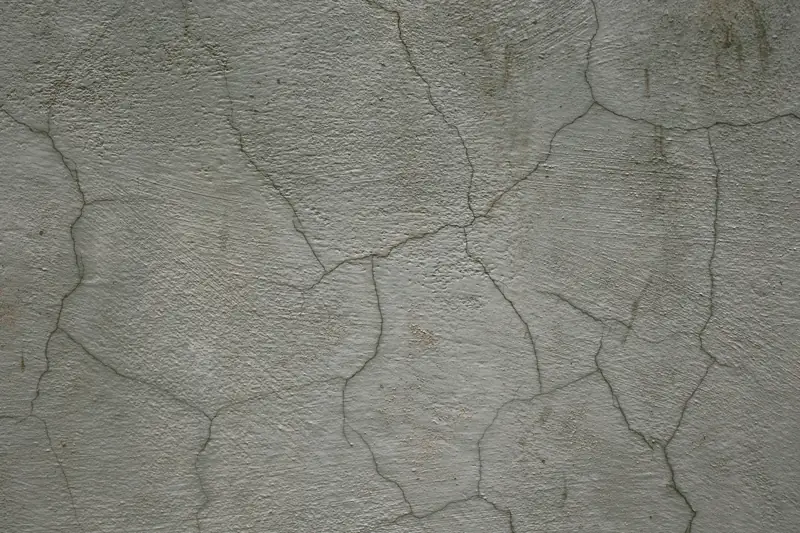
If a house already needs piers, fixing drainage at the same time protects that investment. Some contractors include it; others refer you to a landscape or drainage specialist. Ask how they plan to handle water, and read about concrete crack repair if driveways and patios are also showing damage.
Frequently asked questions
Can drainage alone fix foundation problems?
It will not lift a house that has already settled, but it can slow or stop further movement. It is often recommended both before and after structural repair.
Should I water my foundation in summer?
Many East Texas foundation and soil professionals suggest even perimeter watering during long dry spells to limit shrinkage. Avoid flooding one area, which can cause heave.