
Outside the house
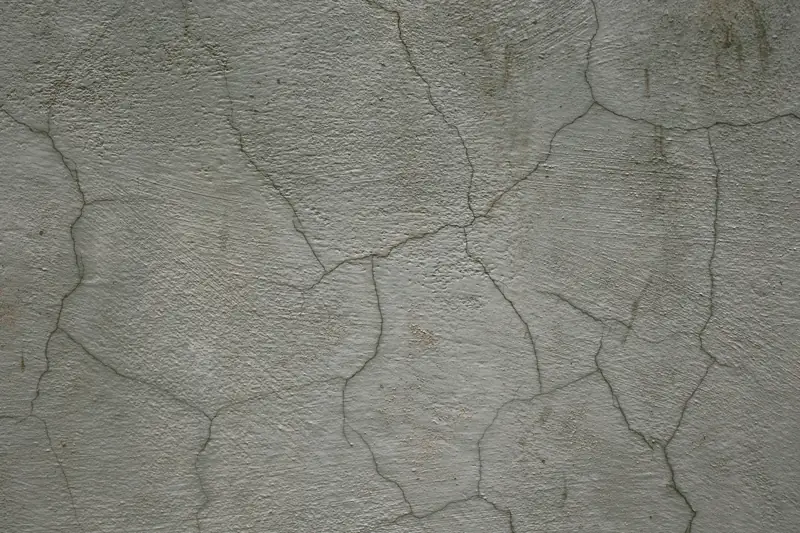
Walk the perimeter and look at the brick. Stair-step cracks following the mortar joints, especially near corners and above windows, are classic signs of settlement. Check whether brick has pulled away from window and door frames, leaving a gap you can see light through or slip a coin into.
Look at the exposed edge of the slab. A small hairline crack is common; a crack where one side sits higher, or a corner piece that has broken off, deserves a closer look. On raised homes, check the skirting and look for piers visibly leaning.
Inside the house
Doors that suddenly stick, swing open or closed on their own, or will not latch are among the earliest signs. Diagonal cracks running from the upper corners of door frames, gaps between walls and ceilings, and baseboards separating from the floor point the same way.
Floors that slope, tile cracking in a straight line, or a kitchen counter separating from the wall are more advanced signs. Windows that were easy to open and now bind fit the pattern too.
Seasonal clues specific to East Texas
In Tyler-area clay, many symptoms come and go. Cracks may widen in August and close after a wet spring. That seasonal swing is itself useful information, so note when you see changes. A sudden new problem after heavy rain, or a damp spot on a slab floor, can point to a plumbing leak that is saturating the soil.
If several signs show up together, it is time for an inspection. Older raised homes may need crawl space repair Tyler attention as well as leveling, while slab homes usually need a pier assessment.
Frequently asked questions
Are hairline cracks in drywall a foundation problem?
Not always. Small cracks can come from normal settling, humidity and framing shrinkage. Widening cracks, or cracks paired with sticking doors, are more telling.
Can a plumbing leak cause foundation problems?
Yes. A leak under a slab can saturate clay soil, causing it to swell or wash out, which leads to heave or settlement in that area.