Reading a crack
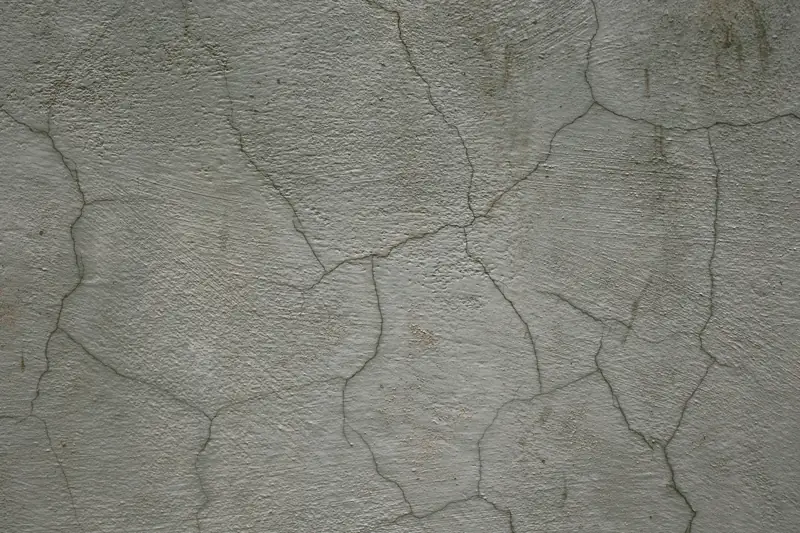
Thin, hairline shrinkage cracks that stay the same width are typical in slabs, driveways and patios. Cracks wider than about a quarter inch, cracks where one side sits higher than the other, and cracks that keep growing season after season suggest the ground is moving.
A simple way to track a crack is to mark its ends with a pencil and date, and measure its width every few months. Photos taken from the same spot also help a contractor judge whether it is active.
Repair approaches
Structural cracks in foundation walls or beams can be injected with epoxy to bond the concrete back together. Polyurethane injection flexes and is often used to stop water seeping through cracks. Flatwork such as driveways and sidewalks is usually routed and filled with a flexible sealant to keep water out of the subgrade.
Sunken sidewalks and patio sections are sometimes lifted with polyurethane foam or slurry injection rather than being torn out. Ask whether lifting is realistic for your slab and how long the repair is expected to last.
When cracks mean more
If cracks in the slab line up with sticking doors or brick cracks, the issue is probably foundation movement, not just concrete. In that case look at commercial foundation repair for business properties or slab work for homes, and treat the crack repair as a finishing step.
Frequently asked questions
Should I seal driveway cracks myself?
Small cracks can be filled with a quality flexible sealant. Wide or offset cracks are worth having a professional look at, since they may indicate soil movement.
Do cracked slabs always need piers?
No. Many slab cracks are shrinkage cracks. Piers are only needed when elevation readings and other signs show the foundation has moved.