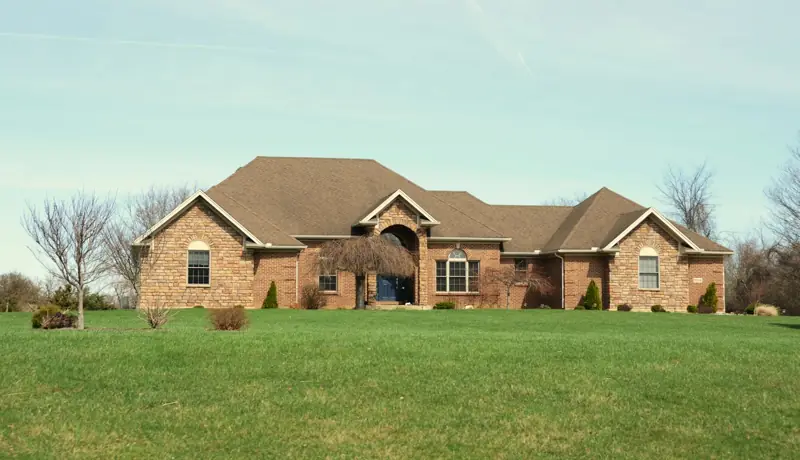
Older housing stock
Homes from the boom years and the decades after often sit on wood or concrete block piers with shallow footings. Common issues include sagging floors near the center of the house, rotted sills near old bathrooms, and piers that have leaned or sunk. Many have been repaired several times, sometimes with mismatched materials.
When older raised homes are leveled, crews often find previous repairs that need to be removed or redone. Expect the scope to be clearer once someone has been under the house.
Rural properties
Outside town, homes on acreage may combine an older farmhouse, later additions on a slab and outbuildings. Additions on different foundations often move differently from the original house, causing a crack where they meet. Repairing the joint usually means stabilizing both sides.
If your floors are noticeably out of level, see how house leveling is planned. Arp's distance from Tyler is short enough that many regional crews include it in their service areas.
Frequently asked questions
Why does my addition crack where it meets the house?
Original houses and later additions often have different foundation types and depths, so they move independently and stress the connection.
Can very old pier and beam homes be saved?
Most can. Rotted wood can be replaced and new piers added; the condition of the framing determines how much work is involved.