Why Tyler foundations move
Tyler sits in the Piney Woods of East Texas, where sandy topsoil often covers reddish clay and clay-loam layers. Clay holds water, expands when it soaks up rain and contracts when it dries out. A house resting on that soil rises and settles a little each season, and over years the movement shows up as stair-step cracks in brick, gaps above door frames, and floors that feel uneven.
The local weather makes the cycle sharper. Tyler gets roughly 45 to 50 inches of rain in an average year, but it arrives unevenly: soaking spring storms, then long, hot summers where highs sit in the 90s for weeks. Statewide droughts such as 2011 and 2022 pulled moisture out of the ground under many East Texas slabs, and the heavy rains that followed pushed it back. That wet-dry swing is the main reason foundation repair Tyler homeowners search for usually starts with an honest inspection rather than a quick fix.
What kind of house do you have?
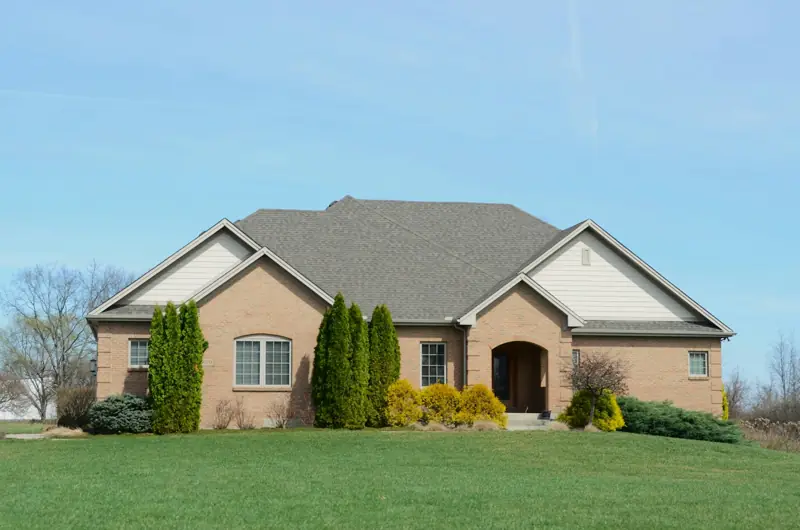
Tyler's housing stock spans about a century. Older neighborhoods such as the Azalea District and the Brick Street area near downtown include many 1920s to 1950s homes built on pier and beam foundations with crawl spaces. Neighborhoods that grew south along Broadway and toward Loop 323 and the Toll 49 corridor are dominated by post-1970s concrete slabs. The two foundation types fail differently, so the fixes differ too.
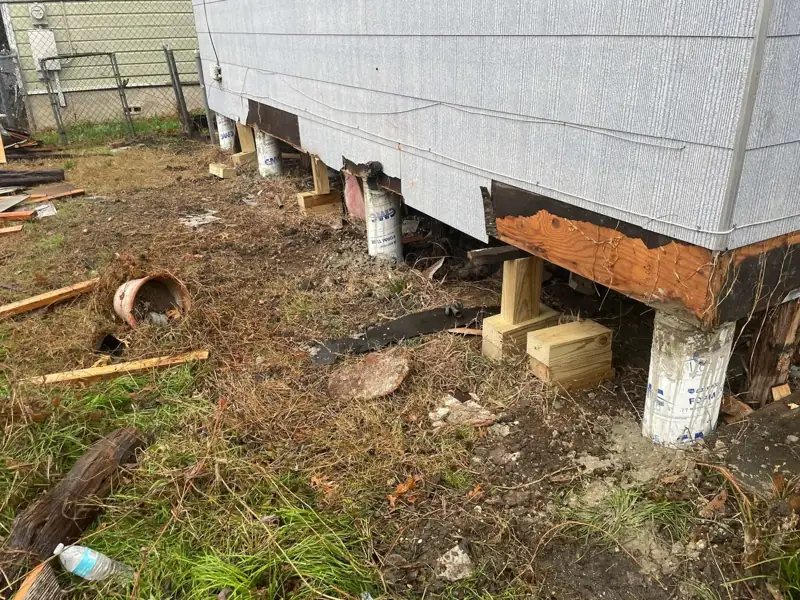
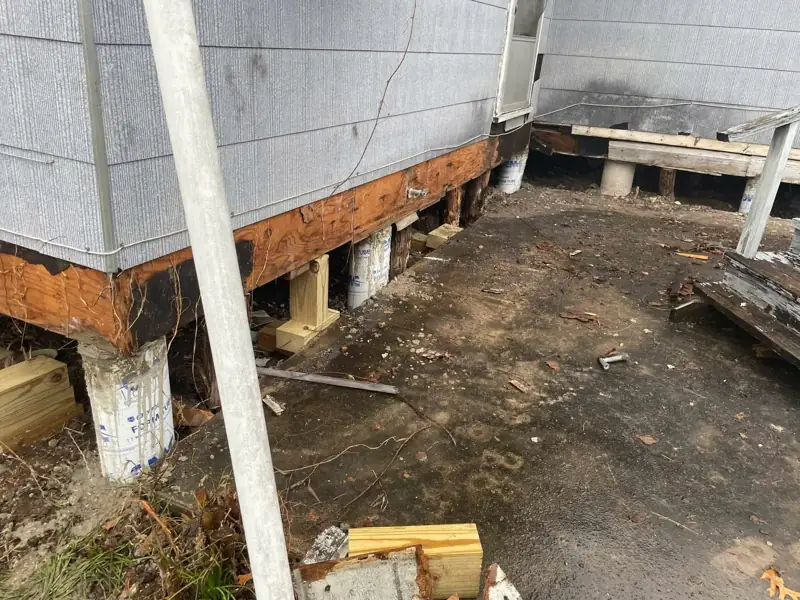
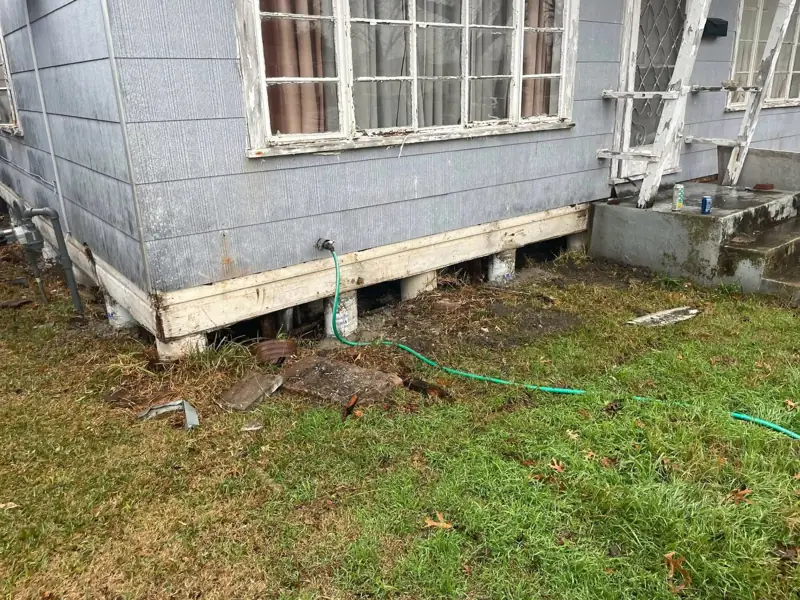
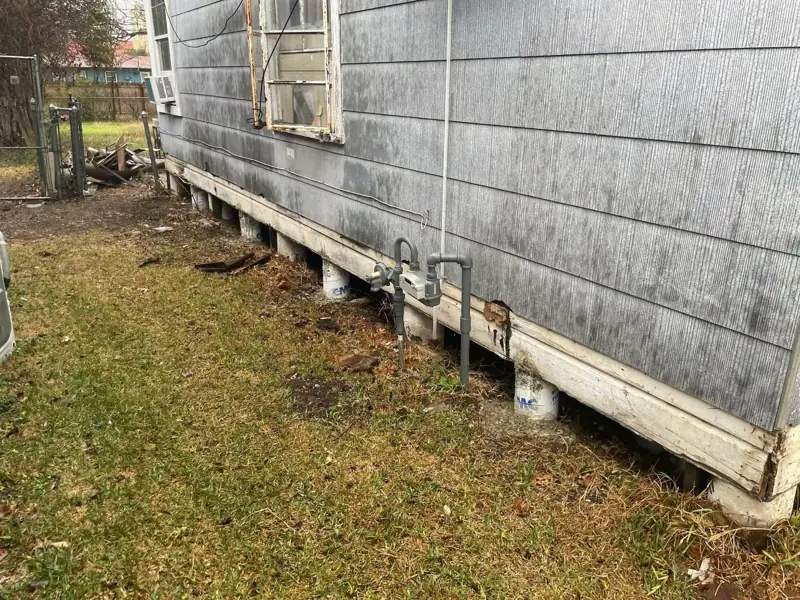
Slab homes typically need slab foundation repair using pressed piers or drilled piers to lift and support the low areas. Raised homes more often need pier and beam foundation repair such as replacing rotted sills, adding piers or re-shimming beams. When floors are noticeably out of level, house leveling Tyler TX work brings the structure back as close to level as the framing safely allows.
How it works
Fill out the short form or call. We ask a few questions about your home and the symptoms, then pass your request to an independent foundation contractor serving your part of Smith County. The contractor contacts you, schedules a visit, and gives you their own written estimate. You decide whether to hire them; there is no obligation to move forward.
We are a referral service, not a contractor ourselves. Ask any crew you talk to for proof of insurance, the specific repair method, the number and spacing of piers, warranty terms in writing and whether a structural engineer report is included. Our foundation repair cost in Tyler guide explains what drives price so you can compare estimates.
Problems beyond the foundation itself
Many movement issues start with water. Downspouts that dump next to the slab, flowerbeds that hold water against the beam, and yards that slope toward the house all feed the clay unevenly. Drainage and gutter solutions are often the cheapest way to slow future movement, and they protect any piers that get installed. Large oaks and pines, common on Tyler lots, can also dry out soil under one corner of a house during summer.
If you are not sure whether what you see is serious, read the signs of foundation problems in East Texas before you call. Hairline cracks in concrete are normal; widening cracks, doors that suddenly stop latching and gaps between brick and window frames are worth a professional look.
Frequently asked questions
Is foundation movement common in Tyler?
Yes. Clay subsoils across much of Smith County expand and shrink with moisture, and Tyler's hot summers and periodic droughts amplify that cycle, so seasonal movement and settlement are widespread in both older and newer homes.
Are you a foundation contractor?
No. This site is a referral service. We pass your request to an independent local contractor, who inspects your home and provides their own estimate and warranty terms.
Do I have to hire the contractor I am referred to?
No. You are under no obligation. Get the estimate, compare it with others, and choose what fits your home and budget.
Work reviewed by Arturo Muñoz
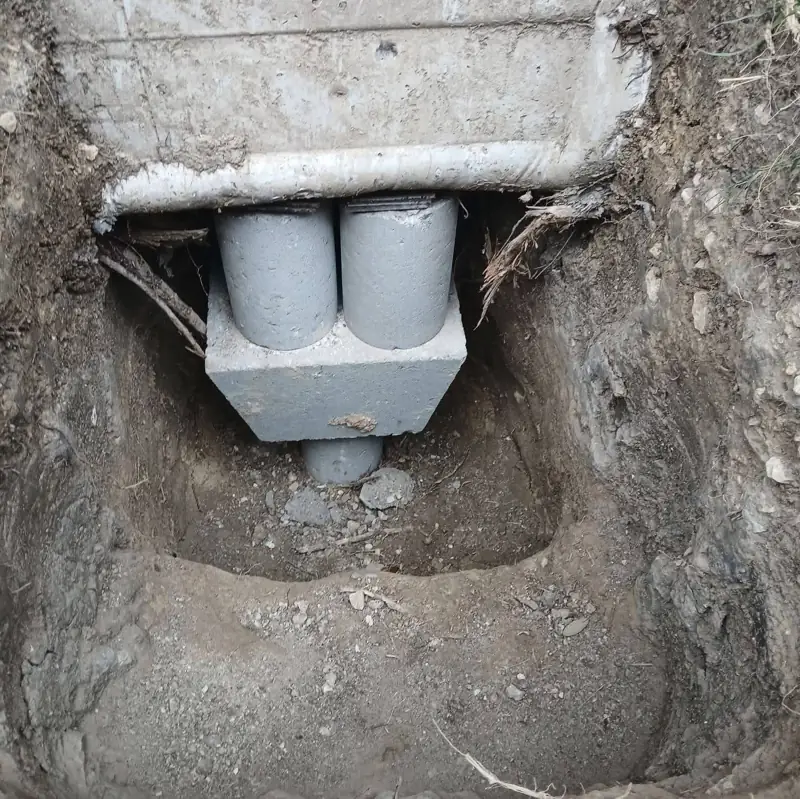
Real photos from pier and beam repair jobs. Locations are not identified.